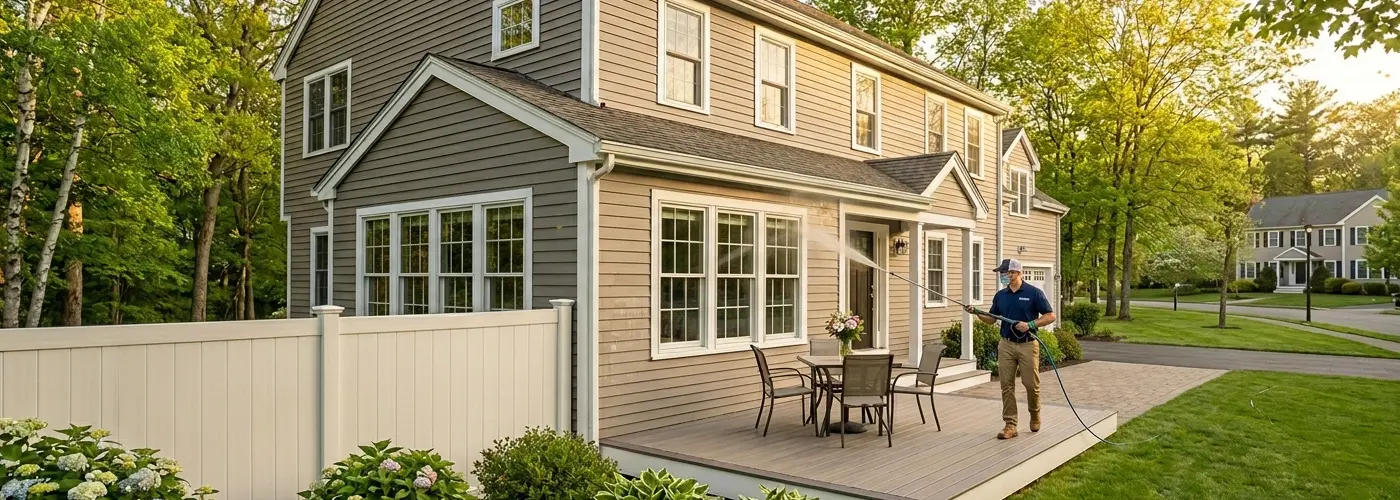
Over time, this accumulation increases the amount of allergens surrounding your home and raises the likelihood that they will enter through doors, windows, and ventilation systems. Professional exterior house washing addresses the problem at its source by removing pollen from these surfaces, helping reduce what gets inside and supporting better overall air quality for your family.
To effectively minimize exposure, it is important to understand how pollen behaves around your property and how it accumulates throughout the season.
Why is allergy season in Massachusetts so severe?
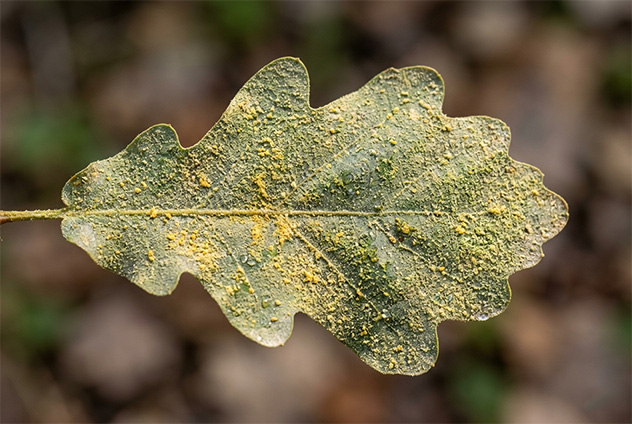
Massachusetts has a climate and landscape that naturally lead to high pollen production. Each spring, trees such as oak, birch, maple, and elm release large amounts of pollen, followed by rising grass pollen in late spring and ragweed from August into the fall. When combined with coastal humidity and changing weather patterns, pollen can remain suspended in the air longer and travel farther than many homeowners expect.
Because pollen grains are extremely lightweight, the wind carries them easily, and they settle on nearly every exterior surface, including siding, window trim, decks, patios, outdoor furniture, garage doors, and even HVAC units.
Over time, these areas collect a visible layer of dust and debris, much of which, during allergy season, is actually pollen. When wind, rain, or everyday activity disturbs these surfaces, the particles become airborne again and can quickly make their way inside your home.
How does pollen build up on your home’s exterior?
Pollen is microscopic and sticky by nature. Its surface texture helps it cling to plants for reproduction. Unfortunately, that same property makes it cling to your house.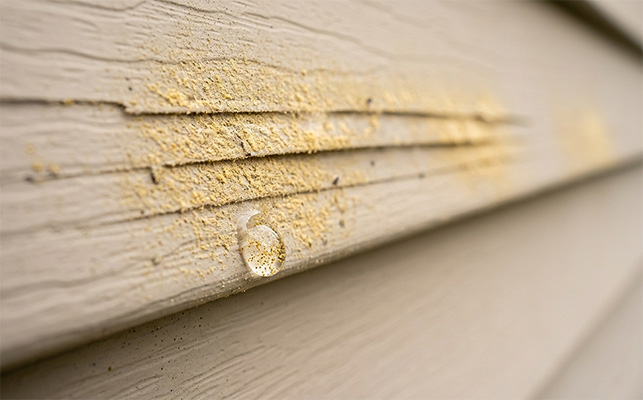
The buildup process typically follows a predictable pattern:
- Airborne pollen lands on siding and windows
Wind carries pollen grains that settle on horizontal and vertical surfaces throughout the day. - Moisture increases adhesion
Morning dew, humidity, and light rain cause pollen to stick more firmly to vinyl, wood, brick, and painted surfaces. - Layers accumulate over weeks
Without washing, new pollen continues to settle, forming a thicker coating that traps dirt and pollutants. - Re-release into the air
Dry wind, lawn mowing, or even simple movement near the house can disturb the buildup and redistribute allergens.
Can exterior house washing really reduce allergens?
Yes. Removing pollen from exterior surfaces significantly reduces the amount that can become airborne again and eventually enter your home.Professional exterior house washing relies on controlled water pressure and specialized cleaning solutions that safely break down and lift pollen, dust, mold spores, and other debris. Unlike a simple rinse with a garden hose, professional cleaning reaches higher, harder-to-access areas where pollen tends to accumulate, removes sticky residues rather than just spreading them around, and thoroughly cleans window seals and trim, where allergens often collect. It also helps prevent heavy buildup that can later dry out and be blown back into the air.
By lowering the overall pollen concentration around your property, you create a cleaner protective barrier between outdoor allergens and your indoor living space.
How exterior washing protects indoor air quality
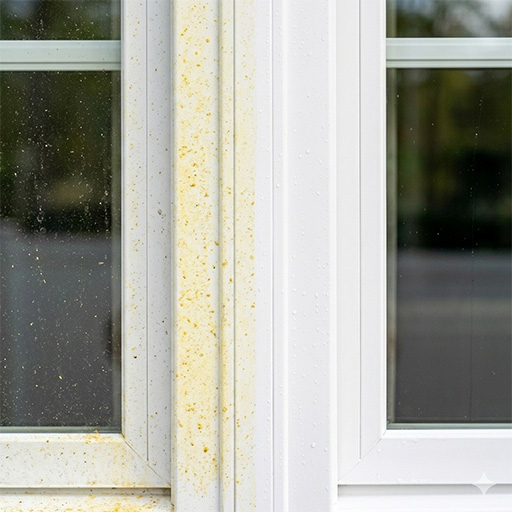
Outdoor allergens directly influence indoor air. Indoor air can contain outdoor pollutants, including pollen, that enter through doors, windows, and ventilation systems.When pollen coats your siding and entryways, several things happen:
First, every time a door opens, disturbed pollen can drift inside. Second, HVAC systems can pull nearby airborne particles toward intake vents. Third, family members and pets track pollen onto clothing and fur after walking along contaminated surfaces.
Professional house washing addresses this at the source. By removing pollen before it accumulates heavily, you reduce:
- the amount tracked indoors on shoes and clothing;
- the concentration of particles near air intake units;
- surface contamination on porches and entry areas.
When should you schedule house washing in MA?
Timing plays an important role during allergy season in Massachusetts. The most effective time to schedule exterior house washing is shortly after peak tree pollen begins to decline in early spring, again in mid-summer before ragweed season intensifies, and once more in the fall to remove any remaining pollen, mold spores, and organic debris.Cleaning your home soon after the heaviest pollen waves helps prevent long-term buildup that can linger for months. It also protects your siding from staining and organic growth that develops when pollen mixes with moisture. For families with allergy-sensitive members, pairing exterior house washing with timely HVAC filter replacement can further reduce indoor allergen levels and improve overall air quality.
Additional steps to reduce pollen around your property
Exterior house washing delivers the best results when it is part of a broader prevention plan. In addition to cleaning siding and exterior surfaces, it helps to trim trees and shrubs away from the home to limit direct pollen contact, rinse outdoor furniture regularly during peak season, and keep gutters clear of debris where pollen can accumulate.Sealing small gaps around doors and windows further reduces the likelihood of allergens entering the home, while upgrading to high-efficiency HVAC filters designed to capture pollen adds another layer of protection.
Together, these steps create a stronger barrier between outdoor allergens and the air inside your home.
Is professional washing safe for all exterior surfaces?
Modern exterior cleaning methods, including soft washing systems, are designed to be safe for vinyl, painted wood, brick, stucco, and composite materials when performed by trained technicians.Soft washing uses lower pressure combined with cleaning solutions that break down organic matter. This approach:
- protects siding from damage;
- prevents water intrusion behind panels;
- effectively removes pollen, algae, and dirt;
- extends the life of exterior finishes.
Choosing experienced professionals ensures the right balance between cleaning effectiveness and surface protection.
Allergy season in Massachusetts is unavoidable, but excessive pollen buildup around your home is not. By proactively removing allergens from siding, windows, and entry points, exterior house washing reduces the amount of pollen that circulates around and inside your home. The result is cleaner outdoor surfaces, improved indoor air quality, and a healthier environment for your family during the year's most challenging months.
 Facebook
 LinkedIn
 Pinterest
 Twitter