Why the timing actually matters
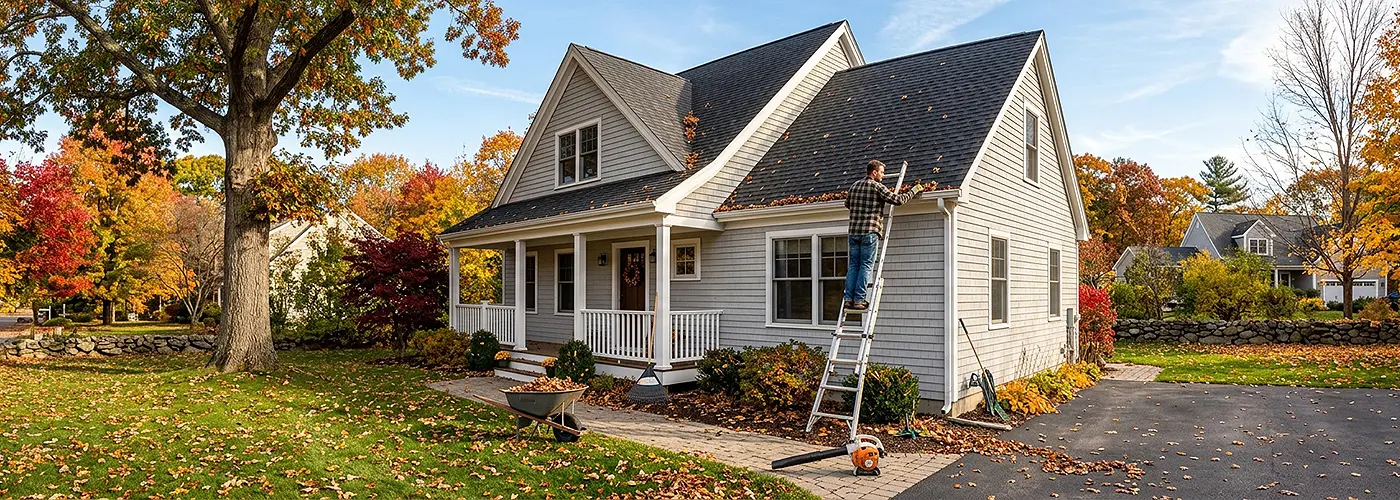
The window matters because of where moisture ends up during that gap.Gutters clogged with leaves hold water against the fascia instead of draining it away. A deck left damp under a layer of debris stays wet longer than a clean one would. Driveways and walkways with organic buildup sitting in surface pores hold water right where freeze-thaw cycles do the most damage. And a facade that goes into winter with algae or mildew still on it keeps that section of siding damp well after a clean surface would have dried out.
None of that is dramatic on its own in November. What happens after months of repeated freezing and thawing turns "needs a wash" into "needs a repair."
Fall checklist: 7 exterior tasks to complete before winter
This checklist is organized by priority, not by room, and it's meant to be worked top-down: roof and gutters first, ground-level tasks last. That order isn't arbitrary. Debris and runoff from anything you clean up high will end up back on the surfaces below it, so tackling the roofline first means you're not redoing ground-level work after the fact.Work down the list, and check off what applies to your property:
- Gutters and downspouts
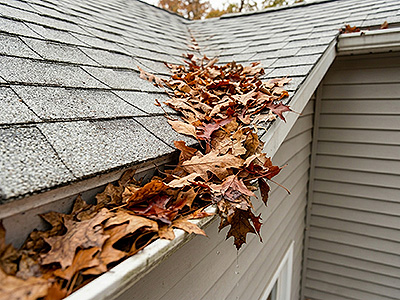
- Clogged gutters heading into winter are the single biggest driver of ice dams and water damage to fascia and siding. This is the task least forgiving of being skipped.
- Facade and siding wash
- A full exterior wash before the first freeze removes algae, mildew, and pollen buildup before winter locks it in place and it turns into a stain that doesn't come off until spring.
- Roof check
- Moss, algae, and debris sitting on the roof going into winter add weight and hold moisture against the shingles right when freeze-thaw cycles start.
- Deck and porch
- Wood and composite decking that goes into winter dirty holds moisture longer, and that's exactly the setup for the kind of freeze-thaw damage that shows up as cracking or warping by spring.
- Driveways, walkways, and steps
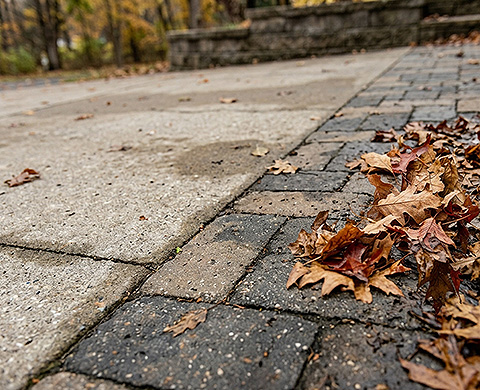
- Concrete and pavers that go into winter stained or covered in organic debris are more likely to hold water in surface pores, which worsens freeze-thaw cracking.
- Windows
- Fall pollen and summer grime left on glass through winter tend to bake into a film that's harder to remove once spring arrives.
- Vegetation around the house
Branches touching the roof or siding, and leaf litter piled against the foundation, hold moisture against the house and give pests an easy path inside. This one's on you, not us – a quick walk around the property with clippers handles most of it.
A little preventive work in the fall can save you from dealing with avoidable exterior repairs once winter is over. The key is to handle small issues while they're still easy to address.
Why you should work from the top down
Working top-down isn't just tidy. A gutter cleaning that happens after a facade wash means whatever ran down during the wash is now sitting in gutters you already cleared. A roof check before a deck wash means any debris dislodged from the roofline lands on a deck you haven't gotten to yet, not one you just finished. Following the list in order saves you from redoing steps you already checked off.Not every item applies to every property. A home with no deck skips that line. A home with a slate or metal roof has different considerations than an asphalt shingle roof. Use the list as a framework and adjust for what's actually on your property.
If you need help getting your home's exterior ready for winter, we're here to help. At HiCleaners, we offer a free assessment and can recommend a fall maintenance plan based on what your property actually needs.
Request a free estimate or call 781-333-8758.
 Facebook
 LinkedIn
 Pinterest
 Twitter