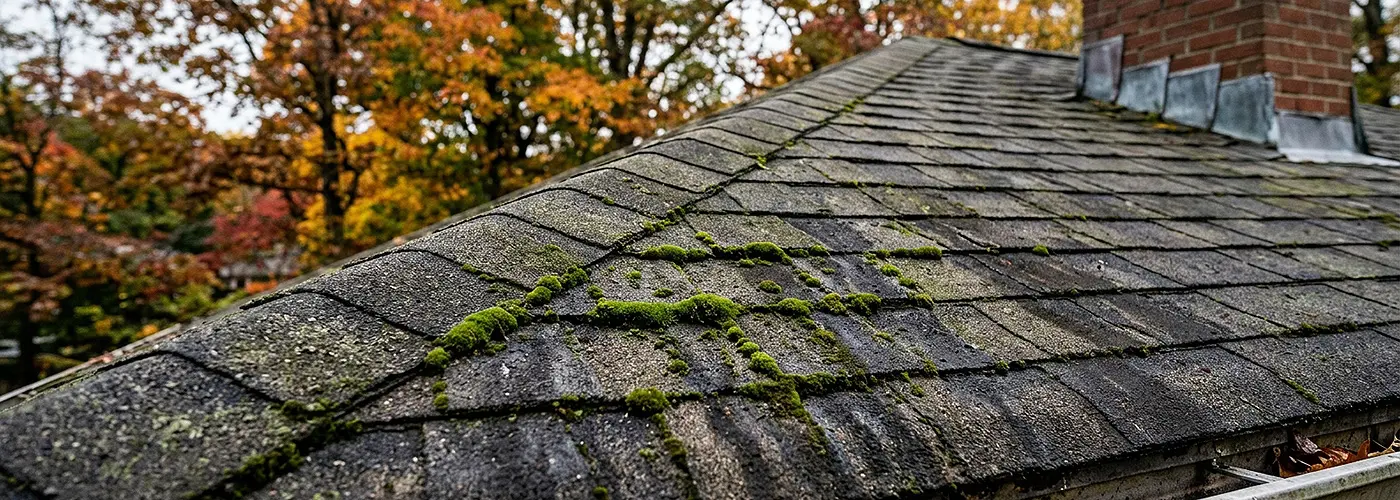
The streaks and moss you can see often point to a cleaning job. When the shingles underneath are still sound, cleaning removes the growth and reduces the moisture held against them. But some of the same signs also show up on a worn-out roof. Here is how to tell the difference, and what to do next.
Why the two are easy to confuse
Black streaks often come from algae, and in many cases, a proper cleaning is enough to remove them. Moss and lichen tend to settle on shaded slopes where the roof stays damp. The trouble is that a roof near the end of its life can also look dark, patchy, and tired, so appearance alone does not tell you which one you have.The key is the condition of the shingles beneath the moss, algae, or lichen.
Signs that cleaning may be enough
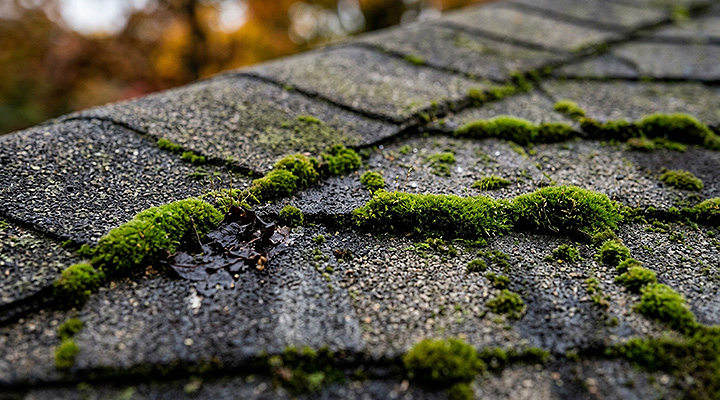
If the shingles themselves look sound, these signs usually point to a cleaning job:- black streaks from algae running down the slope;
- lichen or moss growing on the surface without visible damage to the shingles;
- shingles that still lie flat, with intact edges and no missing pieces;
- no leaks, stains on ceilings, or other signs of water getting in.
When the shingles are still in good condition, cleaning removes the buildup and helps prevent moisture from lingering on the roof.
Signs that you need an inspection for repair or replacement
Other signs suggest the roof itself may be failing, and these are signs you need a new roof or at least a professional look:- curled, cupped, or cracked shingles;
- missing shingles;
- lots of granules in the gutters or at the base of the downspouts, or bald patches on the shingles;
- sagging or sunken areas on the roof;
- leaks, water stains on ceilings, or daylight visible in the attic;
- a roof that is approaching the end of its expected life.
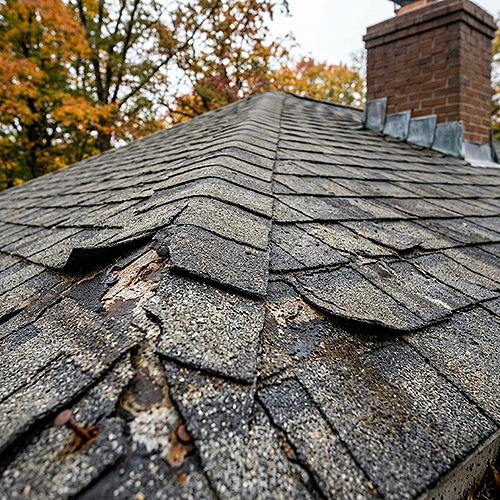
A few isolated signs usually mean a repair, while widespread signs on an older roof are what point toward replacement. Cleaning does not fix any of these.
What about age?
As a general benchmark, asphalt shingles last somewhere between 15 and 30 years, with three-tab shingles toward the shorter end and architectural shingles toward the longer end. Climate, ventilation, and exposure all shift that range, so treat it as a guide and not a deadline.Why cleaning before winter matters
Moss holds moisture against the shingles. When that moisture freezes, it expands, and moss and ice can lift shingle edges over time. This kind of roof moss damage is why heavy growth deserves attention before the cold sets in, and roof cleaning before winter gives the roof a drier, cleaner starting point for the snow and freeze-thaw cycles ahead.For asphalt shingles, the method matters. High pressure can strip the protective granules from shingles, which shortens their life. Soft washing uses low pressure and a cleaning solution to treat algae and moss at the source, which roofing industry groups recommend for asphalt shingles. Read more about roof cleaning, our soft washing method, and how we treat moss and lichen.
What to do next
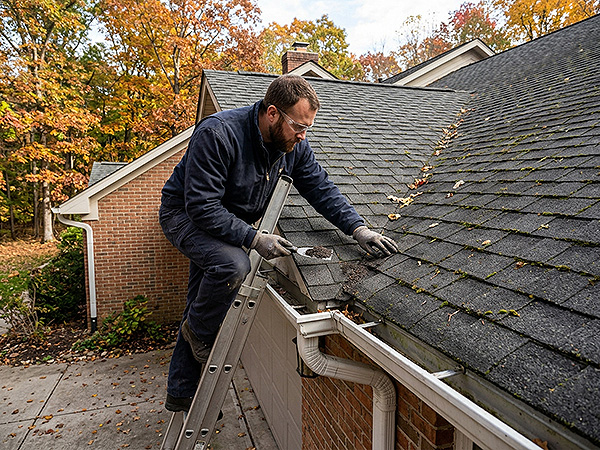
You can get a first impression from the ground. Look at the roof with binoculars, check the gutters and the base of the downspouts for granules, and look in the attic for stains or daylight. Please do not walk on the roof, especially if it is wet or frosty.
If you see signs that point toward replacement, the next step is an inspection by a roofing company, since a final evaluation can only be made after someone has looked at the roof up close. We do not give prices or promise a roof's remaining life, and we will not tell you a roof is fine without seeing it.
If you want to know whether your roof is a good candidate for cleaning, we are here to help. At HiCleaners, we offer a free roof inspection and recommend whether cleaning is suitable. If we see signs of advanced wear, we will let you know and suggest speaking with a roofer. Request a free estimate or call 781-333-8758.
 Facebook
 LinkedIn
 Pinterest
 Twitter