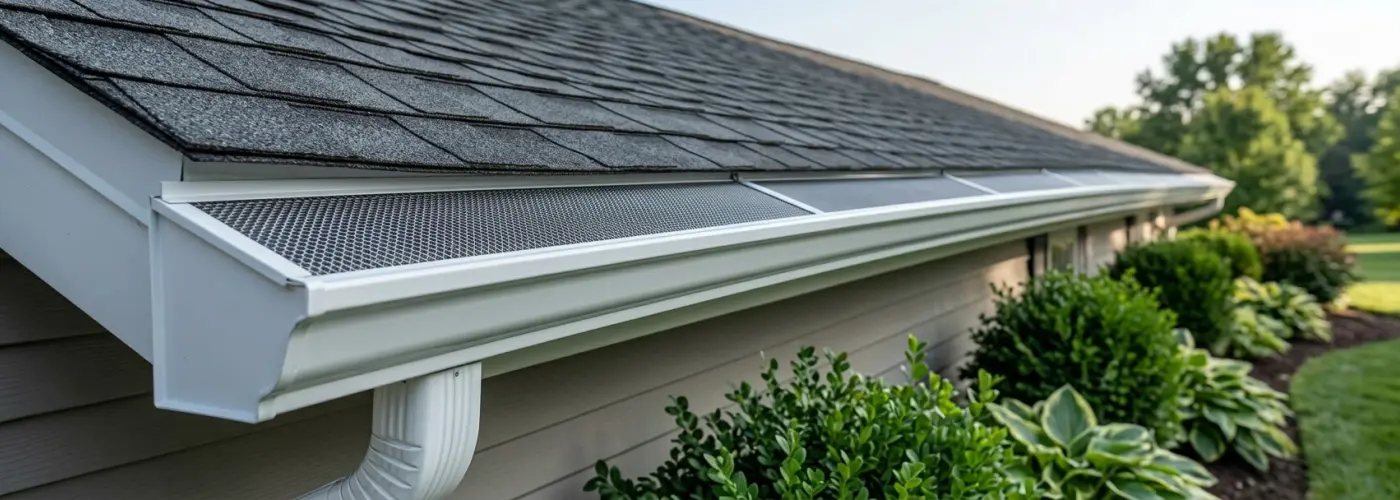
In this guide, we’ll walk through the clear warning signs, explain why aging gutter guards fail, and outline when replacement is the smarter long-term solution.
Why old gutter guards can become a problem
Gutter guards are designed to keep leaves and debris out while allowing rainwater to flow smoothly through your gutters. Over time, however, aging materials or poor installation can cause them to do the opposite. Instead of protecting your drainage system, they may trap debris, restrict water flow, and contribute to hidden moisture problems.As they wear down, guards can warp from temperature changes, develop rust in metal components, loosen from the gutter itself, or allow debris to build up underneath where it’s not immediately visible. During heavy rain, this often results in reduced water flow or overflow.
When that happens, your home becomes more vulnerable to fascia damage, foundation erosion, and even basement leaks. If you find yourself repeatedly cleaning around or beneath the guards, it’s a clear sign they are no longer performing as they should.
Visible damage and structural wear
One of the clearest signs it’s time for replacement is visible physical deterioration. Even high-quality systems have a lifespan, especially in regions with extreme weather, heavy snow, or falling branches.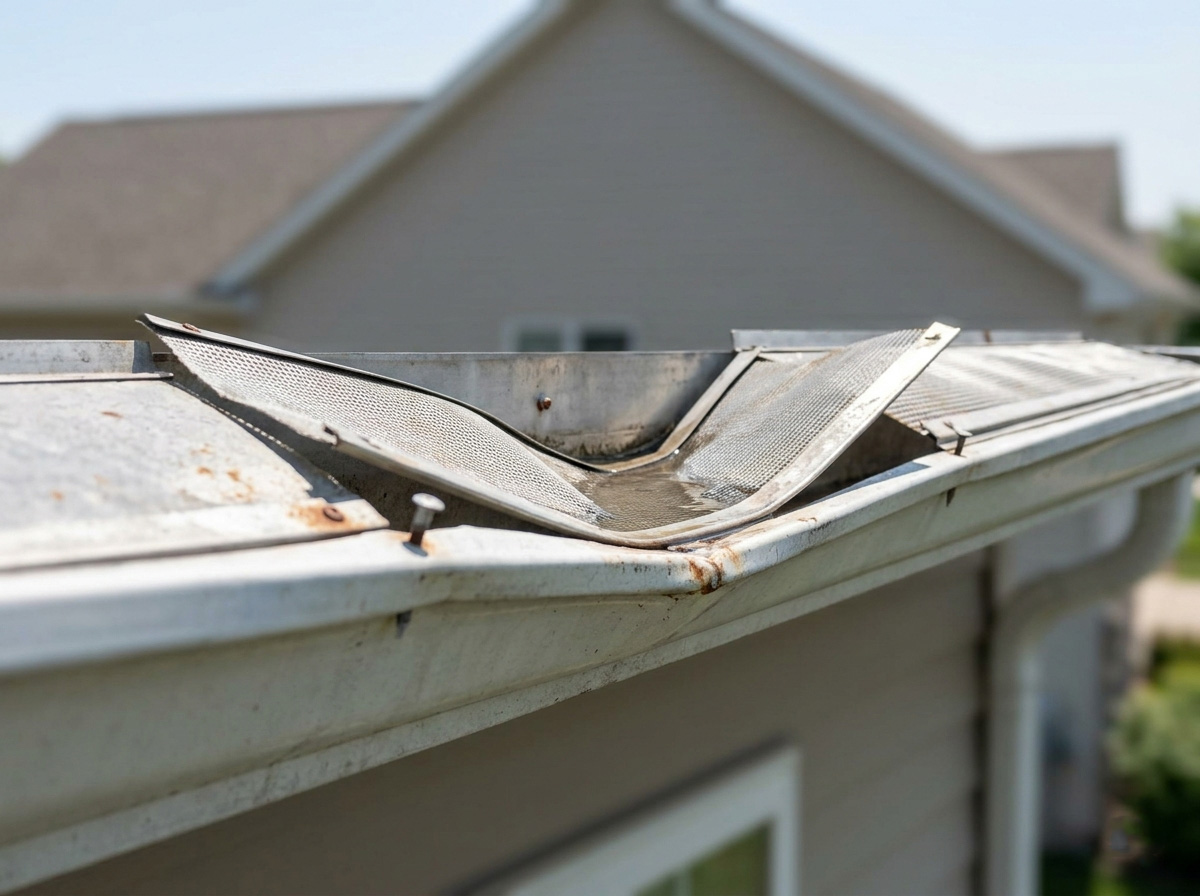
Sagging or detached sections
When gutter guards begin to sag, it usually means:- Fasteners have loosened over time
Sections pulled away from the gutter create gaps where debris can enter freely. - The guard material has weakened
Plastic guards may become brittle from UV exposure, while thin metal can bend under snow load. - Water weight has deformed the structure
If debris collects on top of the guard, standing water can cause it to bow or collapse.
Sagging guards allow debris to bypass the system entirely and may even strain the gutters themselves.
Rust and corrosion
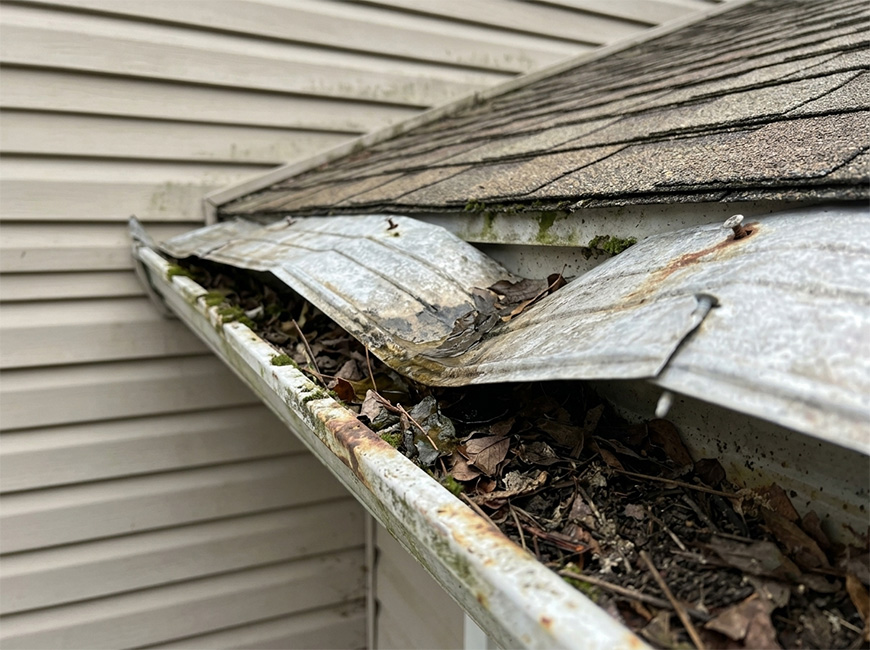
Metal gutter guards that show rust spots or flaking are no longer providing reliable protection. Corrosion spreads gradually and weakens structural integrity. In addition, rust particles can stain siding and roofing materials.Once corrosion appears across multiple sections, replacement is typically more cost-effective than patch repairs.
Water overflowed despite having guards
Gutter guards are designed to prevent clogs and stop water from overflowing. If you notice water spilling over the sides during moderate rain, the guards themselves may be contributing to the problem.Debris can accumulate on solid-surface designs, while fine particles may slip through mesh systems and compact within the gutter. In some cases, improper installation affects the system's pitch, slowing water flow. Older guard models also struggle to handle today’s heavier rainfall patterns.
When overflow becomes frequent, it can damage landscaping, stain siding, and weaken your foundation over time. If repeated cleaning doesn’t resolve the issue, replacing the system with a modern, high-capacity design is often the more practical long-term solution.
Moss, mold, and plant growth
If you notice moss growing along your gutter line, it usually means organic debris has been sitting in moisture for an extended period. Properly functioning gutter guards should prevent this kind of buildup.When debris becomes trapped above or below the guard, it holds moisture and creates ideal conditions for moss and even small plants to grow. Poor drainage can leave water standing in sections of the gutter, further encouraging mold and mildew. If the area receives regular sunlight and consistent moisture, biological growth accelerates.
Beyond restricting water flow, moss can also affect roofing materials near the gutter edge, potentially leading to premature wear.
Frequent maintenance despite “Maintenance-free” claims
Many older gutter guard systems were advertised as maintenance-free, but in practice, most still require regular upkeep. If you find yourself climbing a ladder several times a year, brushing debris off the top, dealing with sediment buildup underneath, or scheduling repeated service visits for minor fixes, the system may no longer be worth maintaining.Instead of continuing with ongoing cleanings and small repairs, it may be more practical to replace the guards altogether. Modern micro-mesh and surface-tension designs are built to manage debris and water flow more efficiently, significantly reducing long-term maintenance needs.
When replacement is better than repair
It can be tempting to repair sections rather than replace the entire system. However, there are situations where full replacement is the more practical solution.Consider replacing your gutter guards if:
- the system is over 10–15 years old – materials degrade naturally over time, especially in harsh climates;
- multiple sections are failing – widespread sagging or corrosion indicates systemic weakness;
- you’re upgrading your roof or gutters – installing new roofing is the ideal time to update gutter protection as well;
- repairs are becoming frequent – ongoing labor costs can quickly exceed the price of a modern system;
- your home experiences heavy rainfall or falling debris – older guard designs may not meet current performance demands.
Benefits of modern gutter guard systems
Upgrading your gutter guards isn’t just about solving an existing issue – it’s about strengthening your home’s overall protection. Modern systems are designed with stainless steel micro-mesh that blocks even fine debris, improved water-flow capacity for heavy storms, and reinforced frames that can withstand snow load. They also integrate more seamlessly with gutters and often come with longer manufacturer warranties.Together, these advancements mean fewer cleanings, lower risk of water-related damage, and greater long-term peace of mind.
Gutter guards are meant to protect your home – not create new problems. If you notice sagging panels, rust, moss growth, or water overflow, your current system may be failing. In many cases, replacing outdated or poorly installed guards is more cost-effective than ongoing repairs.
Upgrading to a modern gutter guard solution ensures proper drainage, reduces maintenance, and protects your home’s roofline and foundation for years to come.
 Facebook
 LinkedIn
 Pinterest
 Twitter